Understand the service need.
Collect the issue, property type, address, equipment details, and other fields your team requires.
Capture the problem, check the service area, coordinate an appointment request, and route urgent calls while technicians and office staff stay focused on the work.
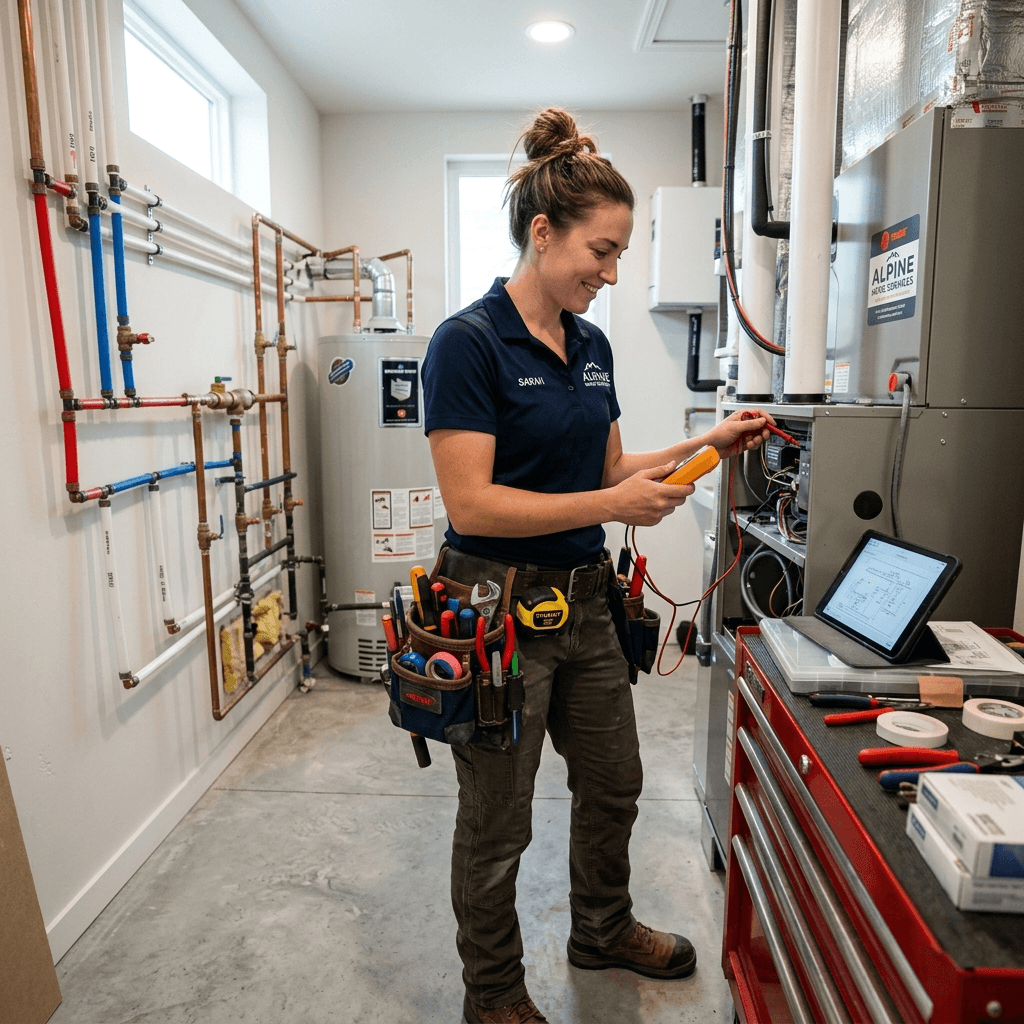
Address, equipment symptoms, availability, and urgency details collected.
Wirevox gives new and existing customers a consistent first response, then moves the service details into the workflow your team already uses.
Collect the issue, property type, address, equipment details, and other fields your team requires.
Check the service area and use approved availability or callback workflows for the requested job.
Direct routine jobs, urgent requests, existing-job questions, and after-hours calls appropriately.
The agent follows the service questions, coverage rules, and routing logic your business defines.
Separate new service, existing jobs, estimates, billing, and other requests.
Ask the approved questions needed to understand the request before dispatch review.
Use coverage areas, business hours, job types, and urgency criteria your team maintains.
Request a booking, notify on-call staff, or route the summary to the right queue.
Configure distinct intake paths by service line, territory, business hours, customer type, or campaign.
Capture heating or cooling symptoms, equipment type, property details, and access notes.
Collect where the issue is happening, visible symptoms, shutoff status, and timing.
Gather the affected area, observed condition, property type, and approved safety routing details.
Identify the requested service and send it to the correct trade, branch, or territory.
Use supported integrations, APIs, and custom functions to connect call outcomes with calendars, field-service tools, notifications, and dispatch queues.
Collect address, service type, symptoms, and access details.
Check the approved service area and supported request types.
Route the summary to the assigned queue, branch, or on-call contact.
The agent follows the urgency criteria and escalation process your business defines. It collects observable details without attempting a technical diagnosis.
Prepare a booking or callback through the normal service workflow.
Notify the approved dispatch or on-call path with collected context.
Follow the business’s approved safety message and emergency escalation rules.
A stressed caller can explain the problem naturally while the agent captures the structured details the team needs.
Define what the agent asks, which areas and jobs you cover, and exactly where each call goes next.
Use distinct intake fields and approved language for each trade, territory, and job type.
Apply the same coverage, urgency, and assignment logic across normal and after-hours calls.
Use transcripts, summaries, and call analytics to inspect results and refine intake over time.
Start with the calls your office and dispatch team handles every day.